Sliding Picture: Yellow Bus Challenge

Report an Issue

Let us know what's wrong with this game

Sliding Picture: Yellow Bus Challenge

Developer: Blaze Stream Games
Updated: 2026-10-01
Puzzle Sliding Puzzle Educational

Reviews

Sliding Picture: Yellow Bus Challenge sticks to the classic sliding-tile formula: one empty space, adjacent tiles only, and a picture to rebuild. The yellow bus subject gives the tiles clear edges and strong color contrast, which helps when you are comparing pieces. Grid size is the main difficulty dial, so a 3x3 round feels light while a 4x4 round asks for real planning. The lack of a timer keeps the tone relaxed, though players who want speed pressure or extra modes will not find them here.

About this game

The Core Slide Mechanic

Each round starts with a picture broken into square tiles and one empty slot. You can only move a tile that sits directly next to the empty space, so every slide changes which tile becomes movable next. The goal is to keep sliding until the yellow bus image is whole again. The rules take seconds to learn, but the order of your moves matters more than the speed of your clicks.

Why the Bus Picture Works

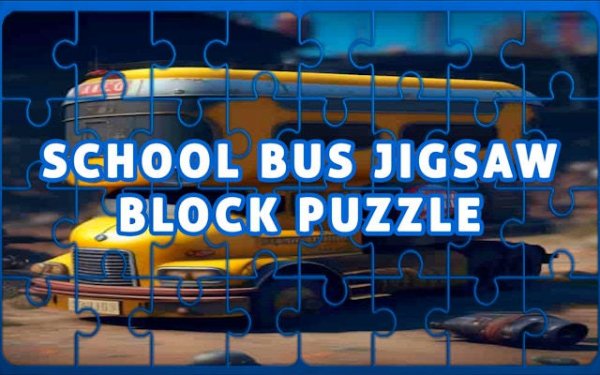
The subject is a bright yellow school bus, a shape most players recognize instantly. Clear outlines and strong color contrast make it easier to judge whether a tile belongs on the left, right, top, or bottom of the frame. That visual clarity matters in a sliding puzzle, because you spend most of your time comparing tile edges rather than reading instructions. The friendly image keeps the tone relaxed even when the grid gets crowded.

Grid Size and Difficulty

Difficulty comes from the grid, not from a timer or a score. A 3x3 layout needs fewer moves and suits a short break or a first attempt. A 4x4 grid multiplies the number of possible arrangements, so you have to plan several slides ahead instead of reacting one move at a time. Moving up a grid size is the main way the game asks you to improve.

Controls and Accessibility

There is nothing to configure before you start. Tap or click a tile beside the empty space and it slides into place. The same input works on phones, tablets, and desktop computers, and the layout adjusts to the screen you are using. No menus, no tutorials, no account setup.

What the Puzzle Asks of You

Sliding puzzles train spatial reasoning and short-term planning. You look at the current arrangement, picture where a tile needs to end up, and work out how many moves it will take to get there without undoing earlier progress. Because there is no time limit, the pressure stays low and mistakes are easy to reverse.


Editorial Notes

Compatibility

✅ Works on PC & Mobile | Recommended: Chrome / Safari / Edge

Faq

Is Sliding Picture: Yellow Bus Challenge timed?
No timer is mentioned in the game's description. The challenge comes from the grid size and the number of moves required, not from a clock. You can take as long as you need on each slide, which makes the game suitable for players who prefer to think through a sequence before acting.
What grid sizes does the game offer?
The description mentions a 3x3 layout for quick sessions and a 4x4 grid for longer problem-solving. Smaller grids need fewer moves and suit beginners, while larger grids demand more foresight. No other grid sizes are confirmed, so treat these two as the main options.
Do I need to install anything to play?
The controls work through taps or clicks on touchscreens and desktop computers, and the interface adapts to different screen sizes. The description does not specify a particular platform or download requirement, so check the store page for your device before assuming it runs everywhere.
Is this game suitable for children?
The yellow school bus theme and simple slide mechanic are described as appealing to younger players who recognize the subject, while still offering a challenge for adults. The content is a picture puzzle with no combat, text-heavy story, or mature themes, so it fits a general audience.
What skills does the sliding puzzle develop?
Working through the tiles encourages spatial reasoning and logical planning. Each move forces you to consider the current arrangement and anticipate future positions of the empty space. The description frames this as a low-pressure mental exercise that supports concentration rather than a test of reflexes.
Can I undo a move if I make a mistake?
The description does not mention an undo button. Because every slide is reversible by sliding the same tile back when the empty space allows it, you can usually correct a wrong move manually. Plan a few steps ahead to avoid scrambling tiles you have already placed correctly.

Comments

0 comments
U
User
★ ★ ★ ★ ★
Loading comments...

Similiar Product

Dan's Nighttime Puzzle Quest

Action Puzzle Strategy

PLAY NOW

Focus Point Puzzle

Hypercasual Puzzle

PLAY NOW

Creative Hair Studio Makeover

Creativity Fashion Simulation

PLAY NOW

Skyward Ascent Platformer

Platformer Climbing Arcade

PLAY NOW

Juice Link Logic

Puzzle Matching Logic

PLAY NOW

Logic Treasure Hunt

Puzzle Logic Strategy

PLAY NOW

Autumn Sky Cat Dash

Arcade Casual Precision

PLAY NOW