
Fortress Guardian 2D Strategy
Reviews
Fortress Guardian 2D Strategy stands out for its emphasis on strategic planning over fast reflexes. The game's simple controls and clear visual design make it easy to pick up, while the increasing difficulty keeps experienced players engaged. Each level feels like a new puzzle, encouraging creative unit placements. The lack of time pressure allows for thoughtful experimentation, making it a satisfying experience for anyone who enjoys problem-solving games.
About this game
Core Planning Mechanics
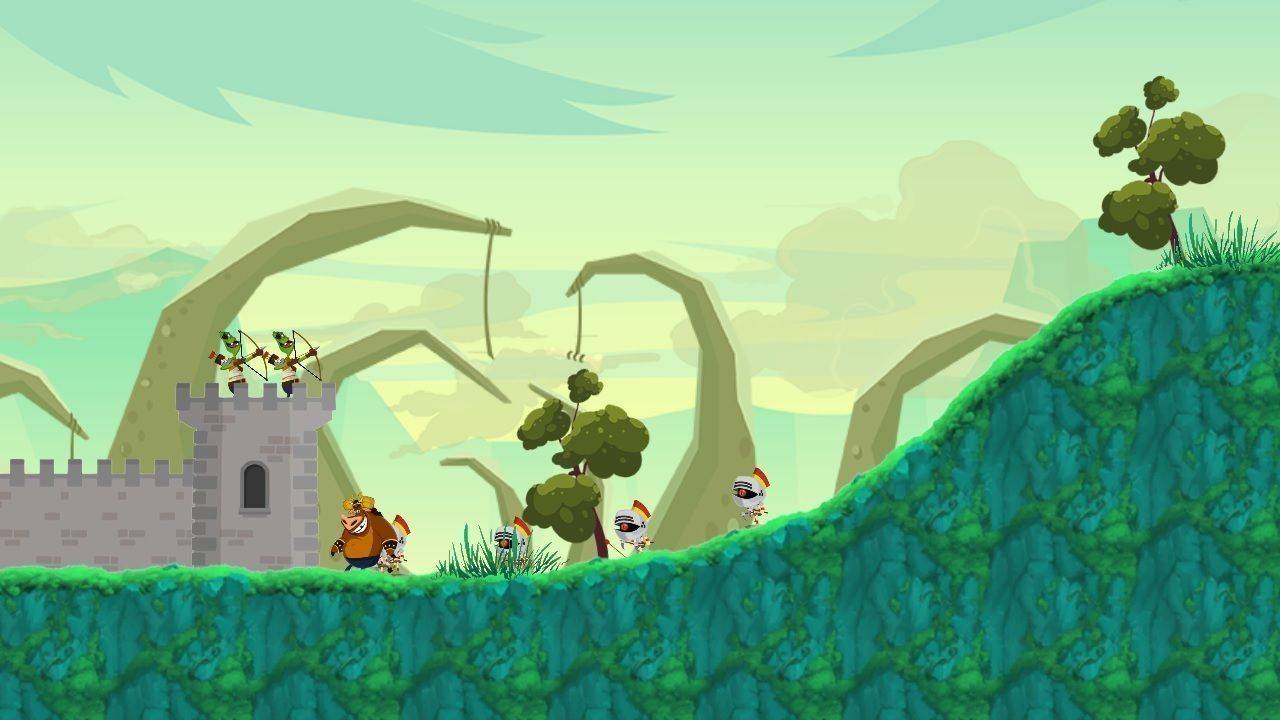
At its heart, Fortress Guardian 2D Strategy is about arranging defensive units along a predetermined route. Players select from a set of available units and place them on designated spots near the path. Each unit has a specific area of effect, and positioning them effectively is key to slowing down advancing opponents. The game encourages experimentation, as different placements can yield better results against different enemy types.
Progression and Upgrades
As players complete each wave, they earn in-game currency that can be used to improve existing units or add new ones. Upgrades enhance a unit's range or effectiveness, allowing it to handle tougher opponents. The game presents a steady increase in difficulty, with later waves introducing faster or more resilient enemies that require a more thoughtful approach to unit placement and upgrades.
Visual Style and User Experience
The game features bright, colorful 2D graphics that make it easy to distinguish between different unit types and enemy waves. The interface is straightforward, with clear menus for selecting and placing units. This simplicity makes the game accessible to new players while still offering depth for those who enjoy optimizing their strategy.
Replayability and Challenge
Each level offers a unique layout, encouraging players to revisit earlier stages with new strategies. The game does not punish failure harshly, allowing players to retry levels and learn from previous attempts. This design supports a relaxed but engaging experience, where the focus is on problem-solving rather than speed or reflexes.






Comments
0 comments