
Orbit Runner Reflex Challenge
Reviews
Orbit Runner Reflex Challenge stands out for its simple but effective twist on the endless runner formula. The rotating tunnel changes the angle of every jump, forcing players to constantly recalibrate their timing. The difficulty curve feels natural, starting gentle and becoming punishing without feeling unfair. The visual design is bright and uncluttered, making it easy to track platforms and hazards. It is a solid choice for anyone looking for a quick coordination test that rewards practice and patience.
About this game
Core Movement and Controls
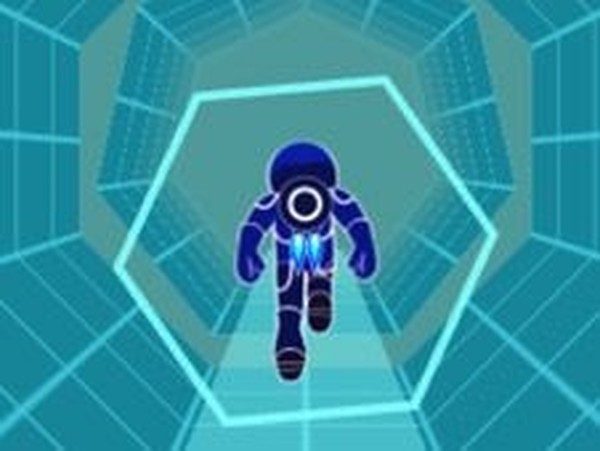
The astronaut responds to simple inputs, with jumping being the primary action. Players press a key or click to leap from one platform to another as the tunnel rotates around them. The rotation changes the angle of each platform, making distances appear shorter or longer than expected. This requires players to adjust their timing with each jump, as the same input may produce different results depending on the tunnel's current orientation. The control scheme is minimal, letting players focus entirely on their next move.
Obstacle Patterns and Adaptation
Energy beams appear along the path at varying heights and intervals. Some beams move slowly across the tunnel, while others flash suddenly. The tunnel's rotation can hide these beams behind platforms or make them appear without warning. Players must keep their eyes moving across the screen, scanning for both the next platform and any incoming hazards. The combination of rotating scenery and unpredictable beam placement creates a dynamic challenge that changes with each attempt.
Health and Life Management
Collectible items appear on certain platforms, offering ways to extend playtime. Heart-shaped pickups restore a portion of the astronaut's health, while extra life tokens provide additional chances after a fall or beam hit. These items are not always placed in convenient locations, forcing players to decide between taking a risk for a pickup or playing it safe. Managing these resources becomes more important as the speed and complexity of the tunnel increase.
Progression and Difficulty Curve
The game uses a gradual difficulty increase rather than fixed levels. Early runs feel forgiving, with wide platforms and few beams. As the run continues, platforms become smaller and beams appear more frequently. The rotation speed also increases, making it harder to judge distances. This natural progression encourages repeated attempts, as each run offers a slightly different arrangement of platforms and hazards. Players who persist will notice improvements in their reaction times and decision-making.
Visual Design and Atmosphere
The tunnel features bright, contrasting colors that make platforms and beams stand out clearly. The space theme is reflected in the starfield background and the astronaut's suit design. The rotating tunnel creates a sense of motion without causing visual confusion, thanks to clean lines and simple shapes. The overall aesthetic is clean and modern, avoiding clutter so players can focus on the gameplay. The visual feedback for jumps, landings, and collisions is immediate and easy to read.
Session Structure and Replay Value
Each run is self-contained, with no save points or checkpoints. This creates a natural loop of short sessions where players try to beat their previous distance or score. The procedurally generated layout means no two runs are identical, giving the game long-term appeal. Players can pick it up for a few minutes during a break or spend longer sessions trying to master the timing. The lack of external distractions keeps the focus on improving personal performance.

Comments
0 comments