
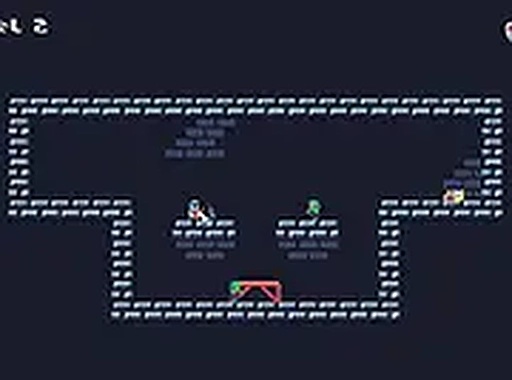
Courageous Defender: Retro Platformer
Reviews
Courageous Defender captures the essence of retro platformers without feeling derivative. The controls are responsive, and the gradual difficulty curve keeps players engaged without frustration. Each stage introduces new environmental hazards that require thoughtful navigation. The pixel art is charming and detailed, evoking memories of 8-bit classics. While the game is relatively short, the hidden items encourage replaying to find everything. It is a solid choice for anyone looking for a quick, satisfying platforming experience.
About this game
Core Gameplay Loop
Players guide a pixelated hero through side-scrolling stages filled with environmental obstacles and hostile creatures. The primary objective involves reaching the end of each stage while freeing imprisoned characters along the way. Movement relies on precise jumps and timed actions to avoid pitfalls and enemy contact. Power-ups scattered throughout levels provide temporary boosts, such as increased speed or enhanced defensive capabilities.
Visual Style and Atmosphere
The game employs a vibrant pixel-art aesthetic reminiscent of late 1980s and early 1990s console titles. Each stage features distinct color palettes and background elements that suggest different environments, from forested areas to rocky caverns. The sprite animations are smooth for the era, with the hero displaying clear running, jumping, and interaction frames. This visual approach creates a nostalgic feel for players familiar with classic gaming hardware.
Level Design Philosophy
Stages are structured to encourage thorough exploration. Hidden alcoves may contain additional power-ups or shortcuts. The difficulty curve increases gradually, introducing new trap types and enemy placements as players progress. Some sections require precise timing to navigate moving platforms or avoid collapsing floors. The game rewards patience and observation, as rushing often leads to mistakes.
Controls and Accessibility
Input is handled entirely through the keyboard, with arrow keys or WASD for movement and a single action key for interactions. This simple control scheme makes the game accessible to players of all ages. The interface includes a full-screen toggle for a more immersive experience. No mouse input is required during gameplay, focusing attention on the character's actions.
Progression and Replay Value
As players advance, they encounter new stage elements that require adapting strategies. The game does not include a save system, so completing it in one session is necessary. This design choice encourages mastery of earlier levels to reach later ones. The variety in stage layouts and hidden items provides incentive for replaying to discover all secrets.






Comments
0 comments