
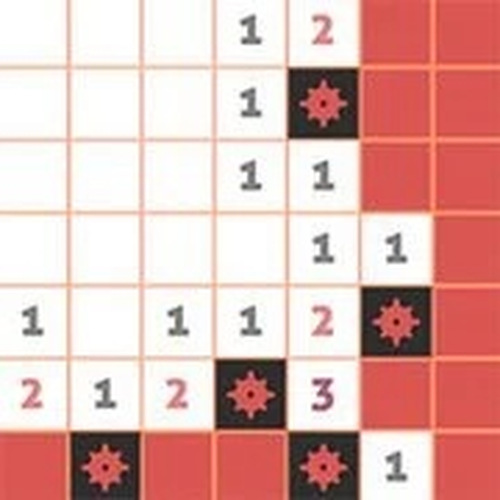
Grid Sweep: Hidden Tile Logic
Reviews
Grid Sweep: Hidden Tile Logic succeeds by stripping away unnecessary distractions and focusing on pure deduction. The random map generator ensures no two puzzles are identical, which is a major strength for replayability. Visuals are minimal but effective, with clear numbering and easy flag placement. The lack of time pressure makes it ideal for relaxed play, while larger grids offer a satisfying challenge for experienced puzzle fans. It is a well-crafted title that respects the player's time and intelligence.
About this game
Core Deduction Mechanic
In Grid Sweep: Hidden Tile Logic, every move relies on careful reasoning. The playing field is a grid of squares, some of which conceal traps. When you tap a safe square, a number appears that tells you how many traps are in the eight surrounding squares. Using these numbers as clues, you determine which squares are safe to open and which likely hide a trap. This process of elimination forms the heart of the gameplay, rewarding patience and logical thinking.
Map Generation & Variety
No two sessions play the same way. The game uses a random map generator to create a fresh layout each time you start. This means the arrangement of traps and safe zones changes constantly, preventing the puzzle from becoming predictable. Whether you prefer small grids for quick rounds or larger ones for extended sessions, the variety keeps the experience engaging without requiring new content downloads.
Visual Style & User Interface
The interface is designed to be clear and distraction-free. Squares are color-coded for easy reading: revealed numbers stand out against a neutral background, while flagged squares show a distinct marker. The clean aesthetic helps players focus on the logic rather than visual clutter. Animations are subtle, providing feedback without slowing down the game. This approach makes the puzzle accessible to younger players and those new to the genre.
Progression & Difficulty Curve
Beginners can start with smaller grids that have fewer traps, making it easier to learn the deduction rules. As confidence grows, larger grids with a higher trap density offer a steeper challenge. The game does not use a fixed level system; instead, players choose their own difficulty by selecting grid size and trap count. This flexible structure accommodates both casual players looking for a quick mental break and puzzle enthusiasts seeking a rigorous test.
Strategic Approaches
Effective players develop routines. A common strategy is to first reveal several tiles in a pattern to gather initial clues. From there, you mark squares you suspect contain traps using a flag. When a numbered square has the correct number of flags around it, you can safely tap it to reveal all remaining adjacent squares. Over time, players learn to recognize common patterns, such as the 1-2-1 formation, which speeds up decision-making. Taking breaks when stuck often leads to fresh insights.





Comments
0 comments