
Reasoning Path Puzzle
Reviews
Reasoning Path Puzzle succeeds by narrowing its scope: one tool, one attempt, one solution per stage. That constraint makes each decision feel meaningful, and the instant reset keeps failure from becoming frustrating. The gradual introduction of moving targets and fragile barriers prevents repetition, while color-coded elements and minimal audio keep attention on the board. It suits players who prefer analysis to reflexes. The main limitation is inherent to the format—anyone seeking action or narrative depth will find little here.
About this game
One Move, One Chance
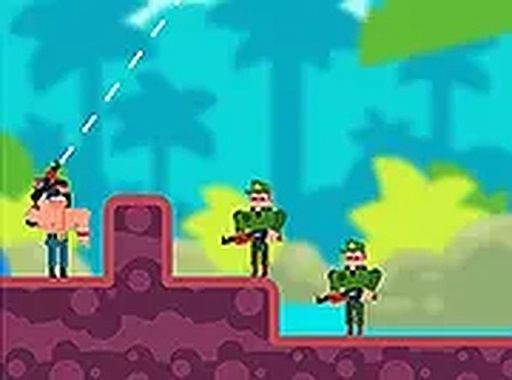
Reasoning Path Puzzle strips puzzle design down to a single decision per stage. You get one tool—a projectile to redirect or a set of switches to trigger in sequence—and one attempt to use it correctly. There is no timer and no reflex test. The challenge lives entirely in reading the layout before you commit. A wrong move ends the attempt, but you can reset instantly and try a different angle. That reset freedom keeps failure cheap while preserving the weight of each decision.
How Stages Escalate
Early levels teach the vocabulary: a wall, a target, a basic bounce. Later stages combine those pieces into chains. A shot might need to ricochet off one barrier, strike a switch, then open a path to a distant goal. New elements appear one at a time, so you understand each before it joins a complex arrangement. Moving targets and fragile barriers that break after one hit force you to rethink familiar solutions rather than repeat them.
Reading the Board
Success depends on analyzing the stage before acting. Identify the key objects, predict the tool's path, and consider whether a second route exists—many levels accept more than one solution. Color coding marks interactive elements, and the clean visual style keeps every obstacle distinguishable at a glance. Minimal sound effects confirm successful actions without pulling attention away from the puzzle. The result is a presentation that supports logical reasoning instead of competing with it.
Progression and Replay
Advancing unlocks new tools and varied mission types, which change how you approach later stages and keep the format from repeating itself. A progression system tracks completed levels, and the free-to-play model places no paywalls in front of content. Replaying earlier stages to find more efficient solutions adds depth for players who enjoy optimizing their performance. The game runs directly in a desktop browser with simple mouse or keyboard controls, so there is nothing to download before you start.






Comments
0 comments